


Views: 0 Author: Site Editor Publish Time: 2025-04-28 Origin: Site


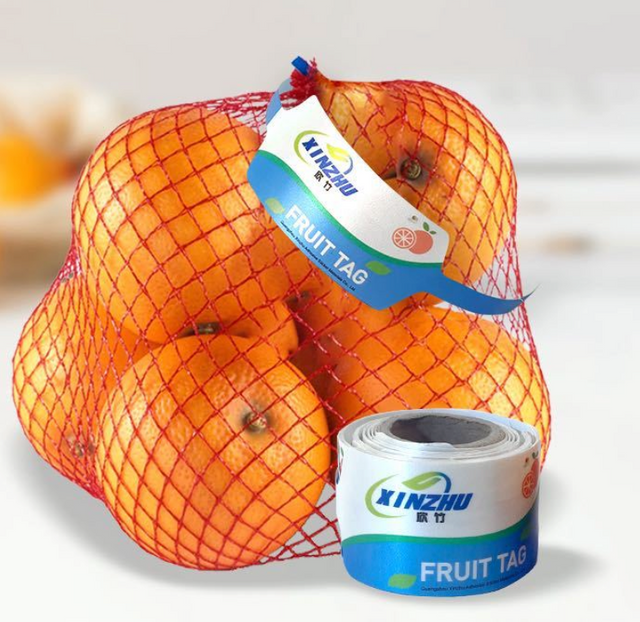
Have you ever looked at a fruit and wondered how it gets its label? What does it really say about the fruit?
Labeling is an essential part of the food industry, providing important details about how fruit is grown and processed. Whether it's conventional, organic, or genetically modified, each label offers insight into the fruit's journey from farm to table.
In this article, we’ll explore the different types of fruit labels, why they matter, and how do you label a fruit.
Ensuring Transparency - Labels reveal how fruit is grown and whether it meets sustainability standards, such as organic certification.
Consumer Choice - Labels empower consumers to select fruit based on personal preferences, like avoiding GMOs or choosing organic.
Legal Requirements - Fruit labeling is mandated by law, ensuring correct information such as country of origin and post-harvest treatments.
Farming Method – Grown using traditional farming practices, often with pesticides and fertilizers.
PLU Code – Four-digit code, e.g., "4011" for bananas.
Pesticide Use – Pesticides may leave residues, but they're within legal safety limits.
Consumer Choice – More affordable and widely available compared to organic options.
Farming Method – Grown without synthetic pesticides or GMOs, promoting environmental sustainability.
PLU Code – Five-digit code starting with "9", like "94011" for organic bananas.
Health Benefits – Perceived to have fewer chemical residues, preferred by health-conscious consumers.
Certification – Must meet strict standards, including regular inspections for organic practices.
Genetic Modification – Produced using biotechnology to enhance traits like pest resistance.
PLU Code – Five-digit code starting with "8", such as "84011".
Safety – Considered safe to eat by regulatory bodies, but some consumers avoid GMOs.
Environmental Impact – Helps reduce pesticide use, but raises concerns about long-term effects.
Avoid Over-labeling - Ensure the label fits the fruit and doesn’t cover important features like color or quality marks.
Match the Label to the Fruit's Attributes - Use the correct label size and type based on the fruit's size and packaging.
Consider the Fruit's Skin and Texture - Apply labels gently on delicate fruits to prevent skin damage or quality loss.
Placement of Labels - Place labels in visible spots where they won’t cause bruising or damage.
Visibility - Make sure the label is easy to see for quick identification.
Consumer-Friendly - Position the label for easy access to important information.
Understanding how to label a fruit is crucial for both consumers and producers. Labels provide key information about how fruits are grown, whether conventionally, organically, or genetically modified. By knowing what’s behind the label, consumers can make healthier, more informed decisions at the store.
When labeling fruit correctly, transparency is key. Companies like Guangzhou Xinzhu Adhesive Sticker Materials are setting the standard with environmentally conscious labels. The future of fruit labeling promises clearer, greener, and more informative options for all.
Genetically modified (GM) fruit labels will have a five-digit PLU code starting with the number "8". This indicates that the fruit has been genetically engineered for traits like pest resistance.
Fruit labels provide important information about how the fruit was grown, its quality, and whether it’s been treated with chemicals. This helps consumers make healthier, more sustainable choices.
Yes, certain labels are mandated by regulations, especially for organic, GM, and country-of-origin labels. However, nutritional information is usually voluntary for fresh produce.


